
Discovering Red Light Therapy: A Path to Wellness

What is Red Light Therapy?
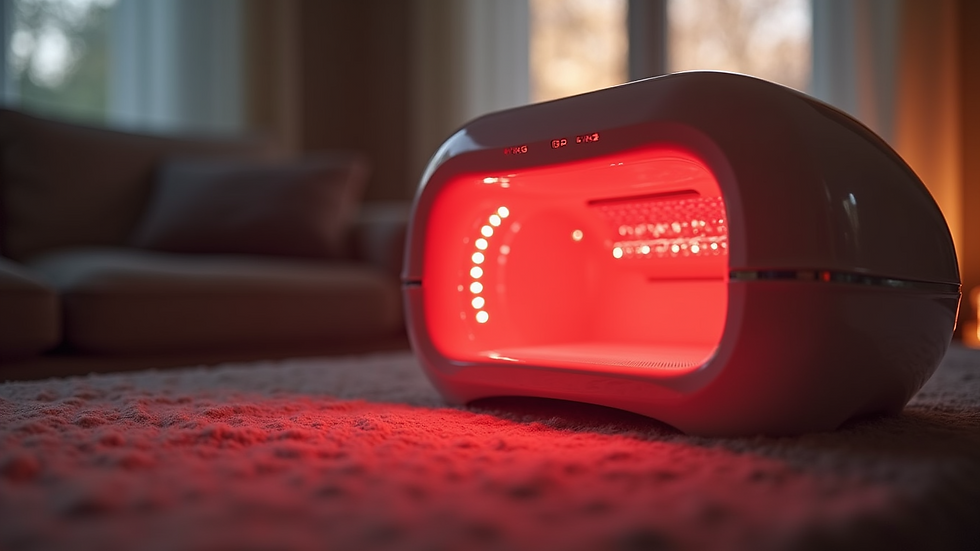
Red light therapy (RLT) involves exposing the skin to low levels of red or near-infrared light. This light penetrates the skin and is believed to stimulate cellular processes, leading to various health benefits. The therapy is often administered through LED devices, lasers, or light panels, making it accessible for both clinical and home use.
How Does Red Light Therapy Work?
The science behind red light therapy is rooted in photobiomodulation, a process where light energy is absorbed by cells. This absorption triggers a series of biological reactions, including:
Increased ATP Production: ATP (adenosine triphosphate) is the energy currency of cells. Red light therapy enhances ATP production, providing cells with more energy to function optimally.
Enhanced Blood Circulation: The therapy promotes better blood flow, which can aid in the delivery of oxygen and nutrients to tissues, facilitating healing.
Reduced Inflammation: Red light therapy has been shown to decrease inflammation, which is a common underlying factor in many chronic conditions.
Benefits of Red Light Therapy
Red light therapy offers a range of potential benefits, making it an appealing option for many individuals. Here are some of the most notable advantages:
1. Skin Health
One of the most popular uses of red light therapy is for improving skin health. Studies suggest that it can help reduce wrinkles, fine lines, and acne scars. The therapy promotes collagen production, which is essential for maintaining skin elasticity and firmness.
2. Pain Relief
Many individuals turn to red light therapy for pain management. Research indicates that it can be effective in reducing pain associated with conditions such as arthritis, fibromyalgia, and muscle injuries. By decreasing inflammation and promoting healing, RLT can provide relief without the need for medications.
3. Wound Healing
Red light therapy has been shown to accelerate wound healing. It can enhance tissue repair and regeneration, making it beneficial for individuals recovering from surgery or injuries. The therapy can also help with conditions like diabetic ulcers and other chronic wounds.
4. Hair Growth
For those experiencing hair loss, red light therapy may offer a non-invasive solution. Studies have indicated that it can stimulate hair follicles and promote hair regrowth in both men and women. This makes it a popular choice for individuals seeking to combat androgenetic alopecia (pattern baldness).
5. Mood Enhancement
Emerging research suggests that red light therapy may have a positive impact on mood and mental health. Exposure to red light can influence the production of serotonin, a neurotransmitter that plays a key role in regulating mood. This could make RLT a valuable tool for those dealing with seasonal affective disorder (SAD) or general feelings of depression.
How to Use Red Light Therapy
Using red light therapy can be straightforward, but it’s essential to follow guidelines to maximize its benefits. Here are some tips for effective use:
Choosing the Right Device
When selecting a red light therapy device, consider the following:
Wavelength: Look for devices that emit light in the range of 600 to 900 nanometers, as this range is most effective for therapeutic purposes.
Power Output: Higher power output can lead to quicker results. Check the device specifications for power density (measured in mW/cm²).
Treatment Area: Ensure the device is suitable for the area you want to treat, whether it's your face, body, or specific injuries.
Treatment Protocol
Frequency: For optimal results, aim for 3 to 5 sessions per week. Each session can last anywhere from 10 to 20 minutes, depending on the device and treatment area.
Distance: Maintain the recommended distance from the device as specified by the manufacturer. This can vary based on the power output of the device.
Consistency: Regular use is key to experiencing the benefits of red light therapy. Consider incorporating it into your daily routine.
Safety Considerations
While red light therapy is generally considered safe, it’s essential to take precautions:
Eye Protection: Use protective eyewear to shield your eyes from bright light during treatment.
Skin Sensitivity: Some individuals may experience temporary redness or sensitivity. If this occurs, reduce the frequency or duration of sessions.
Consult a Professional: If you have underlying health conditions or are pregnant, consult a healthcare professional before starting red light therapy.
Scientific Evidence Supporting Red Light Therapy
Numerous studies have explored the efficacy of red light therapy across various applications. Here are a few key findings:
A study published in the Journal of Clinical and Aesthetic Dermatology found that red light therapy significantly improved skin texture and reduced wrinkles in participants after 12 weeks of treatment.
Research in the Journal of Pain Research demonstrated that red light therapy effectively reduced pain and improved function in patients with knee osteoarthritis.
A clinical trial published in Lasers in Surgery and Medicine showed that red light therapy promoted hair regrowth in individuals with androgenetic alopecia.
These studies highlight the potential of red light therapy as a versatile tool for enhancing wellness.
Integrating Red Light Therapy into Your Wellness Routine
To fully benefit from red light therapy, consider integrating it into a holistic wellness routine. Here are some suggestions:
Combine with Other Therapies
Red light therapy can complement other wellness practices, such as:
Exercise: Engaging in regular physical activity can enhance the benefits of red light therapy by improving circulation and overall health.
Nutrition: A balanced diet rich in antioxidants can support cellular health and amplify the effects of red light therapy.
Mindfulness Practices: Incorporating mindfulness techniques, such as meditation or yoga, can enhance your overall well-being and help you manage stress.
Track Your Progress
Keeping a journal to track your experiences with red light therapy can help you identify what works best for you. Note any changes in skin health, pain levels, or mood to assess the therapy's effectiveness.
Stay Informed
As research on red light therapy continues to evolve, staying informed about new findings can help you make the most of this treatment. Follow reputable sources and consider joining online communities to share experiences and insights.
Embracing the Future of Wellness
Red light therapy presents a promising avenue for enhancing wellness through its various applications. From improving skin health to alleviating pain and promoting hair growth, the potential benefits are vast. By understanding how red light therapy works and integrating it into your wellness routine, you can take proactive steps toward better health.
As you explore this innovative therapy, remember to consult with healthcare professionals when necessary and stay informed about the latest research. Embrace the journey of wellness and consider red light therapy as a valuable tool in your arsenal for achieving optimal health.
In conclusion, red light therapy can be a transformative addition to your wellness journey. Whether you seek to improve your skin, manage pain, or enhance your mood, this therapy offers a range of benefits. By incorporating it into your routine, you can take significant steps toward a healthier, happier you.


Comments